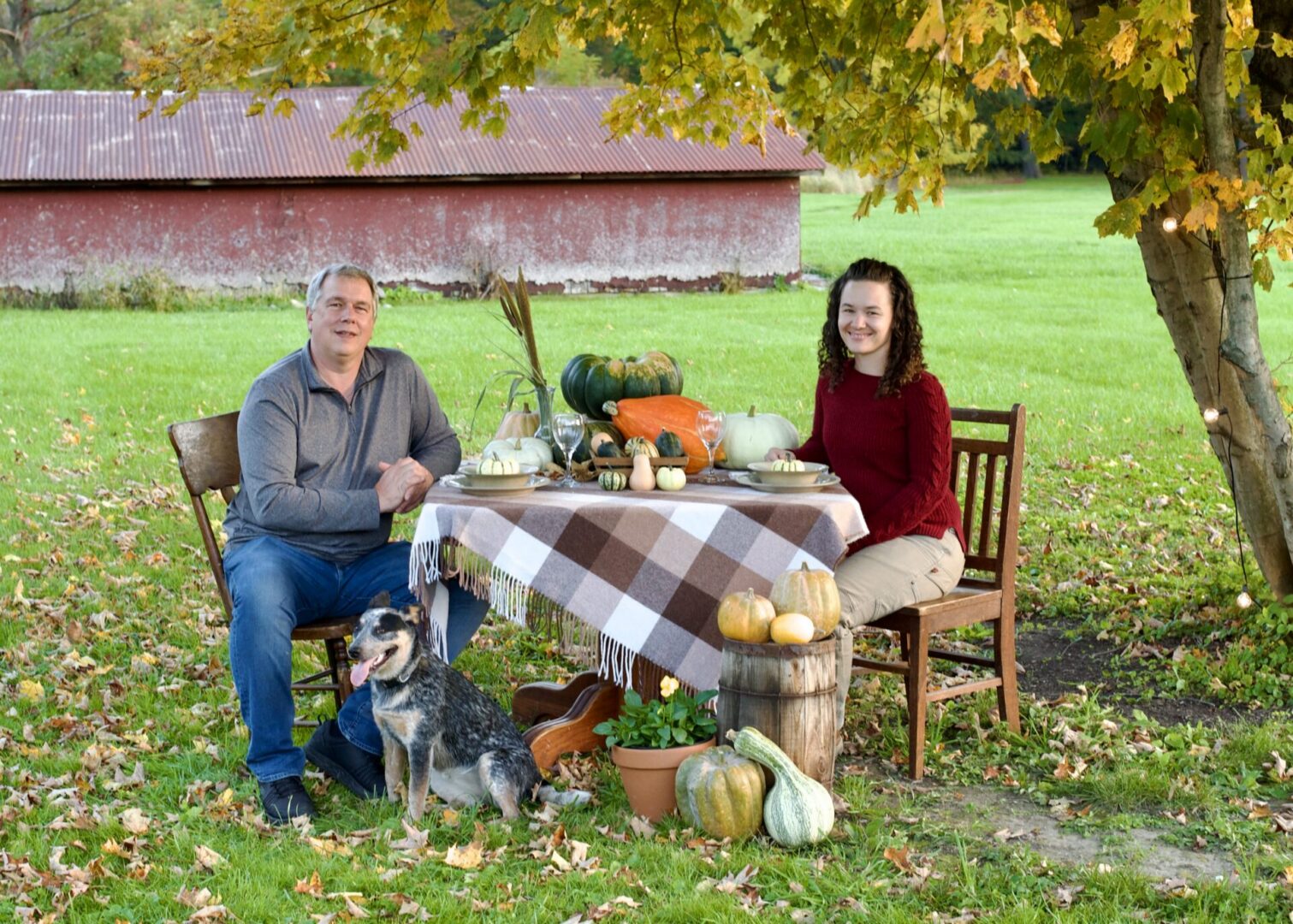
PORT MATILDA — On a stretch of land that has been farmed by the same family for more than 150 years, Abbie Kibe is working to bring something both old and new to Centre County — a direct connection between the people who grow food and the people who eat it.
Kibe, founder of The Heirloom Farmer, is part of the sixth generation of her family to work the land near Port Matilda. While the farm’s roots run deep, the business itself is relatively new, born out of a leap of faith during an uncertain time.
“My family — the Spackman family — has farmed here near Port Matilda for actually six generations,” Kibe said. “We’ve owned this farm for over 150 years. We have a lot of family history in farming and local agriculture.”
After earning a degree in agriculture and spending about a decade working with Penn State Extension, Kibe said she felt a pull to return home and build something of her own.
“In 2020 of all years, I decided I wanted to get serious about coming back to the family farm and actually making it a business,” she said. “We weren’t sure what it would look like … just that I wanted to farm.”
That uncertainty, combined with the challenges of the COVID-19 pandemic, ultimately helped shape what The Heirloom Farmer would become — a small, community-focused operation centered on accessibility, education and connection.
“There’s actually two ways that we really farm to fill in that table,” Kibe said.
Farm store
The first is through a self-serve farm store located on the property, open daily from 8 a.m. to 8 p.m. The store offers a mix of products grown on-site and items sourced from nearby farms, allowing customers to purchase fresh food directly where it’s produced.
“We sell primarily products from our own farm and also a few key products from other local farms in the area,” Kibe said. “Really looking at how can we fill in the gap and offer things that aren’t already available to our community.”
The model is designed with modern convenience in mind, offering payment options including cash, credit card and Venmo.
Garden to table
The second part of the farm-to-table approach, Kibe said, is what she calls “garden to table”, which centers around helping people grow their own food.
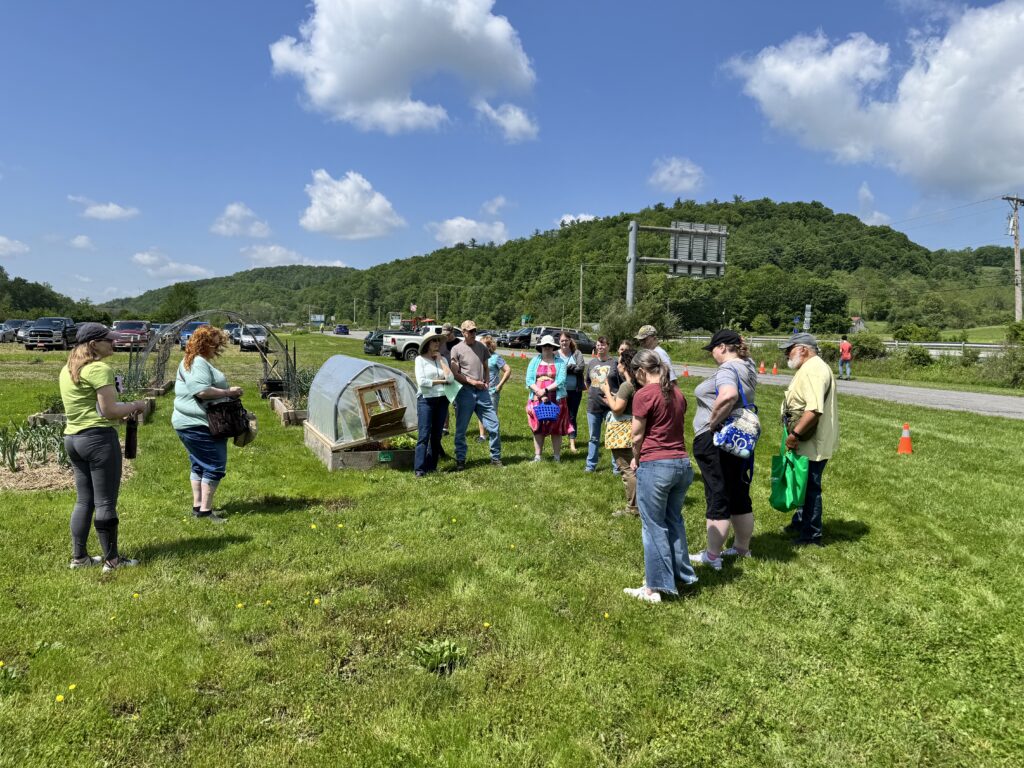
The farm sells heirloom vegetable seedlings, herbs and flowers in the spring, while also offering classes and hands-on learning experiences.
“We also teach gardening and teach people how to grow their own food and how to get that food onto their table,” Kibe said.
Those moments of connection, especially for families and children, are where the mission comes to life.
“One of my favorite memories actually from last year was we had a family come to one of our events,” Kibe said. “I pulled some carrots just right out of the soil and said, ‘Hey, give this a try.’ And the kids were just so excited. They were like, ‘Oh my gosh, this is amazing.’ They said they were the best tasting carrots they’ve ever had.”
Partnerships
Part of what makes that experience possible is a network of partnerships with other local producers. While The Heirloom Farmer grows much of what it sells, Kibe said collaboration is key to creating a well-rounded local food system.
“By partnering with local farms like a dairy farm, we can offer products to our customers that we don’t produce ourselves,” she said. “As much as I would love to have my own cow, I don’t have the time to milk cows.”
Those partnerships, she said, benefit everyone involved. Farmers gain additional outlets for their products and customers gain access to a wider variety of locally sourced goods.
For residents interested in making the shift toward eating more locally or sustainably, Kibe said the key is not to overthink it.
“I always tell people … start with just one small change at a time,” she said. “Because sometimes we get way too overwhelmed thinking we have to change all the things.”
That change could be as simple as buying eggs and milk from a local farm once a week or planting a small garden at home.
“Maybe that one small change is just growing a 4-foot by 8-foot garden bed for your family,” she said. “You’ll be surprised at how much food you can grow and eat in that small space.”
For Kibe, the most rewarding part of the work isn’t just selling food. It’s helping people take part in the process.
“What I’m most excited about is actually the vegetable plants that we grow,” she said. “I love when I can encourage somebody to buy a cherry tomato plant, take it home and then literally they get to harvest hundreds of cherry tomatoes.”
As spring approaches, The Heirloom Farmer is preparing for its busiest season with plant sales, garden tours and educational workshops beginning April 25 and continuing through May.
Through it all, Kibe said the mission remains grounded in something simple and deeply personal.
“We are a family farm. It’s not just me. It’s our whole family,” she said. “It’s our family growing things for your family because we’re so passionate about healthy people and healthy communities.”